Satsuo Yamamoto
Biography
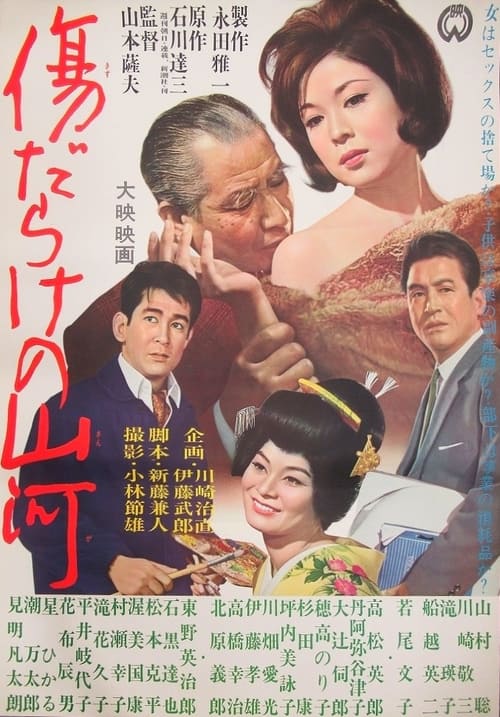
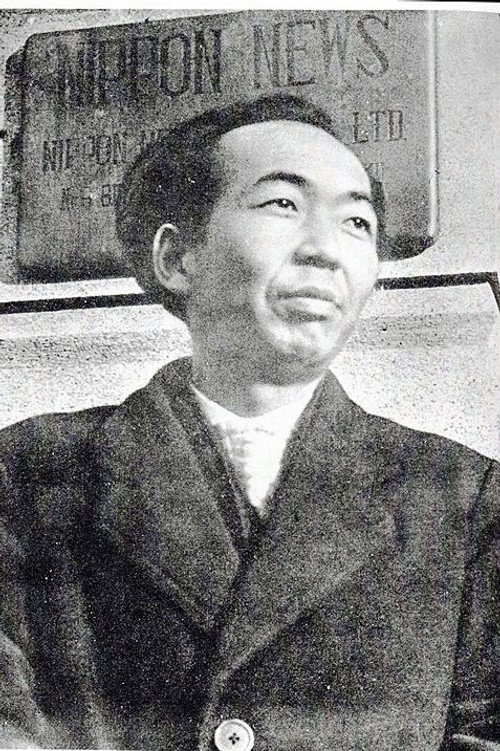
From Wikipedia, the free encyclopedia. Satsuo Yamamoto (July 15, 1910 - August 11, 1983) was a Japanese film director. Yamamoto was born in Kagoshima Prefecture on July 15, 1910. He dropped out of Waseda University to join Shochiku, where he worked as an assistant director to Mikio Naruse and others. He followed Naruse when he moved to PCL, and became a director in his own right after the company was reborn as Toho. During WWII he directed several pro-war propaganda films for them despite being a fervent member of the Japanese Communist Party (JCP), and after the war he rallied against the company as a driving force behind the union during the 1948 Toho labour dispute (in which the JCP was heavily involved), after which was ultimately fired. He subsequently worked on independent films and made numerous intensely rebellious and substantial socially conscious works. From the 1960s onward, he directed a succession of major films including the Toyoko Yamasaki adaptations “The Ivory Tower” and “The Perfect Family”, the “Men and War” trilogy, and “Kotei no inai Hachigatsu”. This body of epic works led to him being dubbed “the Red Cecil B. DeMille”. Three of his films, Shiroi Kyotō, Fumō Chitai and Ah! Nomugi Toge won the Mainichi Film Award for Best Film. He died of pancreatic cancer on August 11, 1983 at the age of 73. Description above from the Wikipedia article Satsuo Yamamoto, licensed under CC-BY-SA, full list of contributors on Wikipedia.
Directed Films
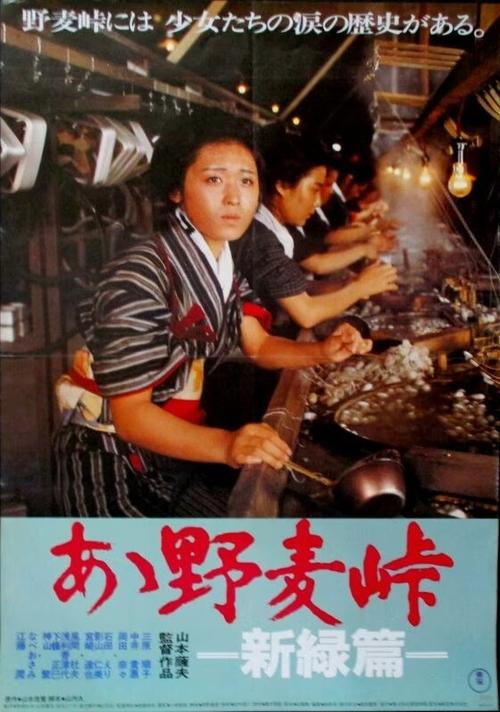
Ah! Nomugi Pass — Fresh Green Edition
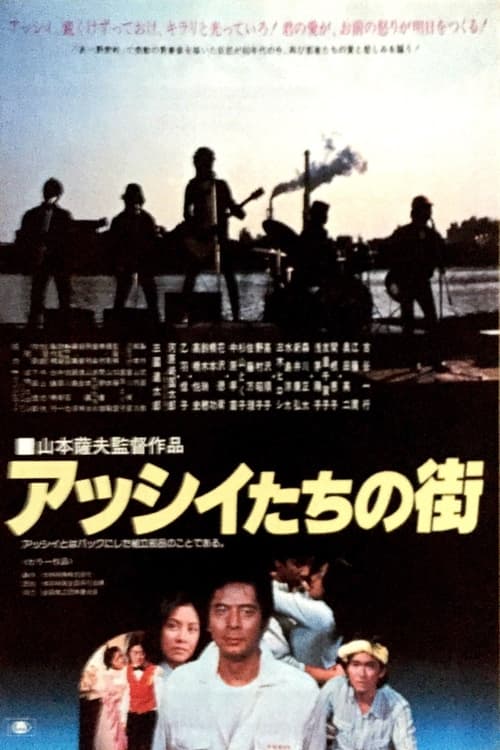
Auto Town
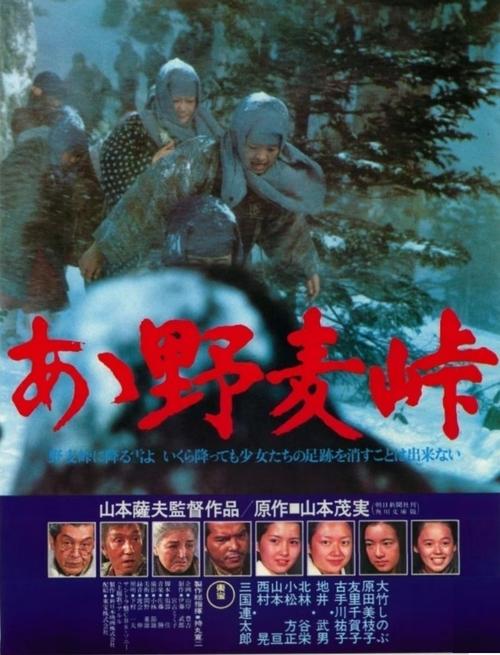
Nomugi Pass
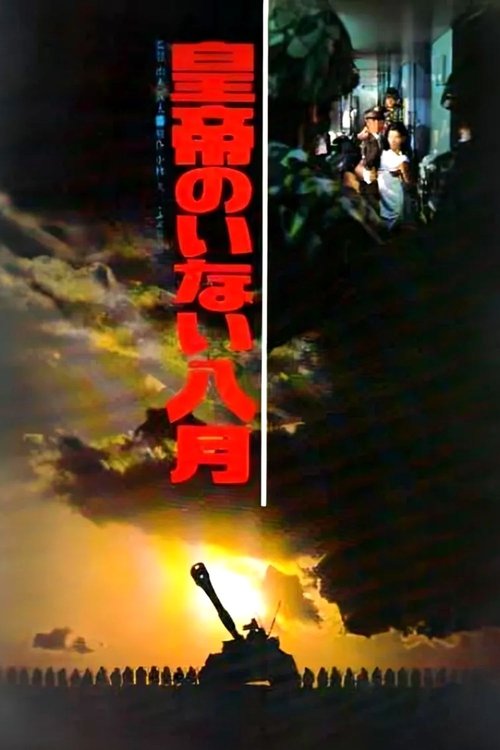
August Without Emperor
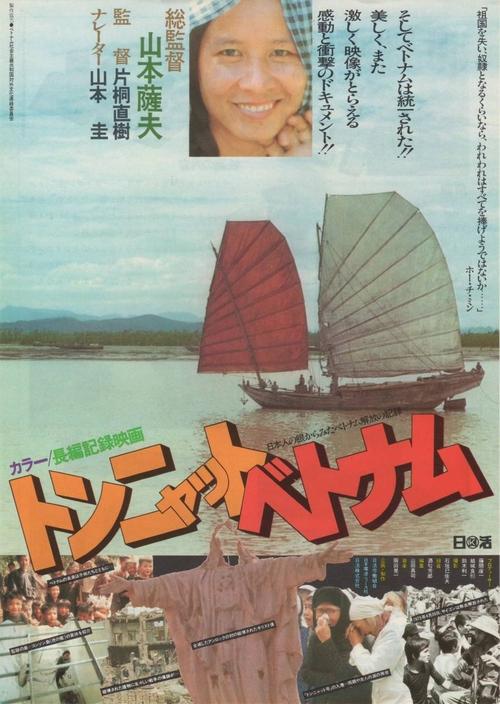
United Vietnam
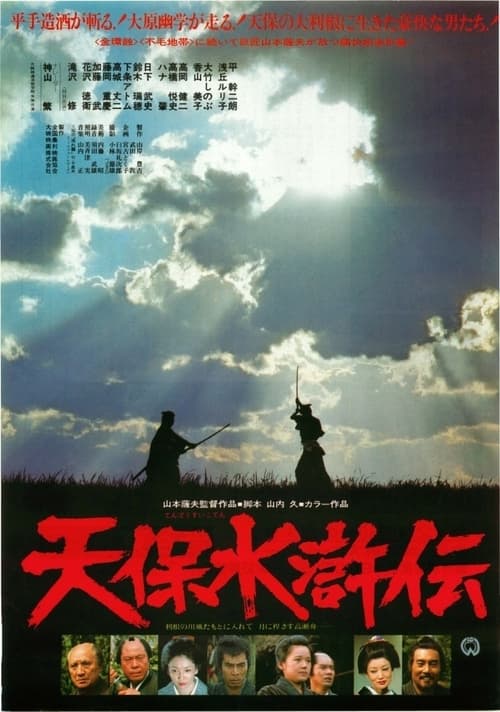
The Tempō Outlaws of the Marsh
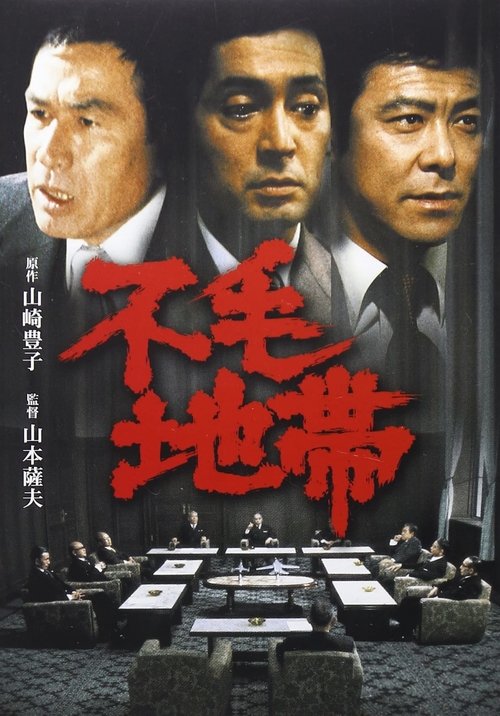
The Corporation
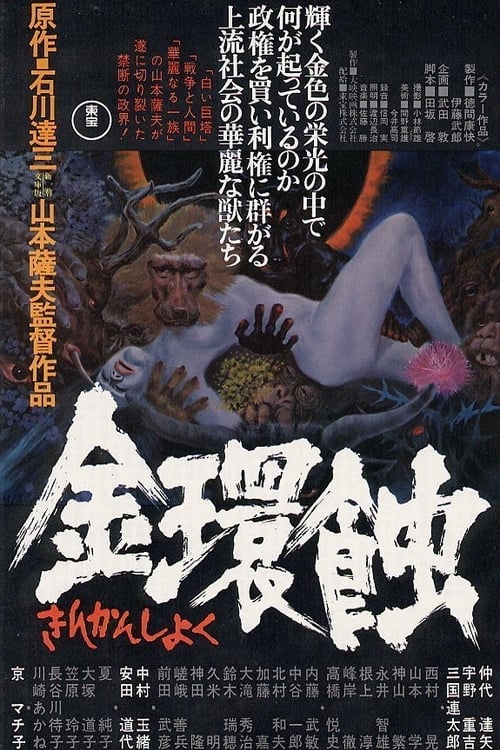
Solar Eclipse
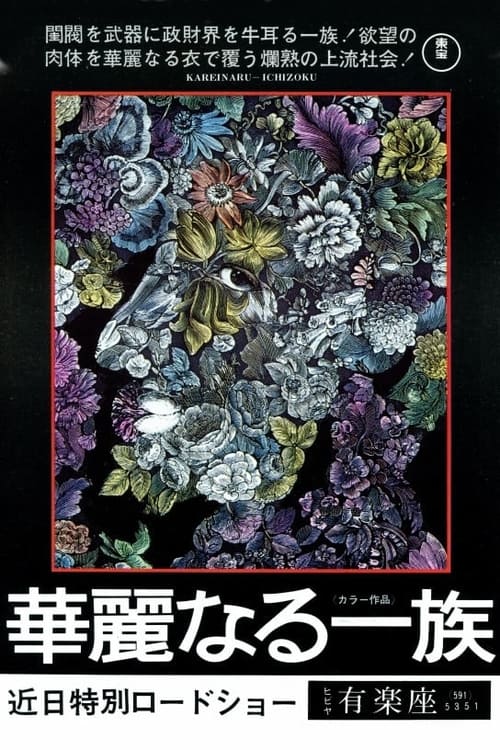
The Family
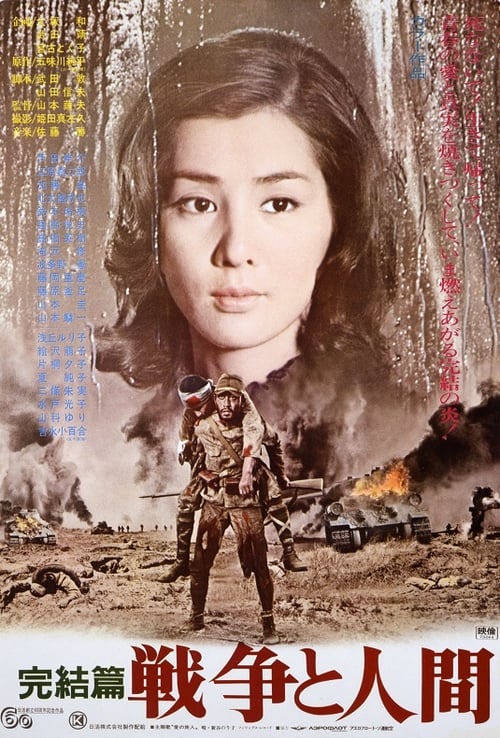
Men and War III: The Final Chapter
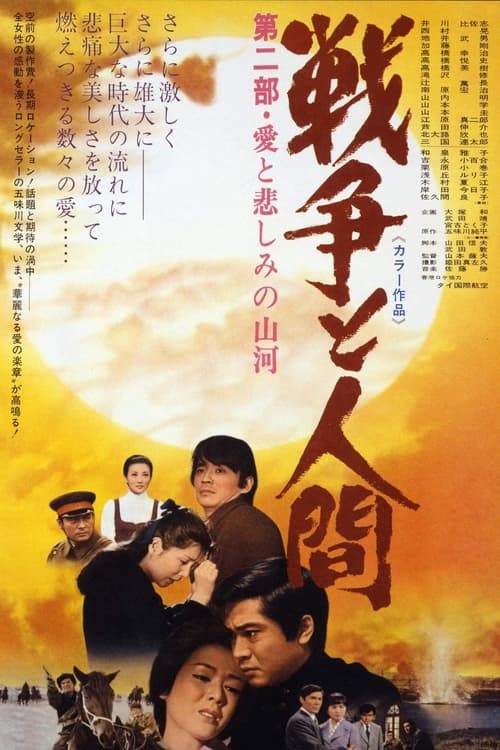
Men and War II: Land of Love and Sorrow
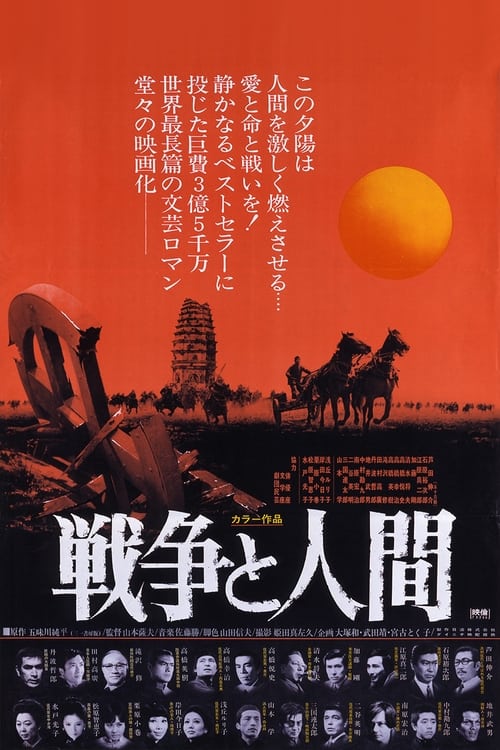
Men and War I: Prelude to Destiny
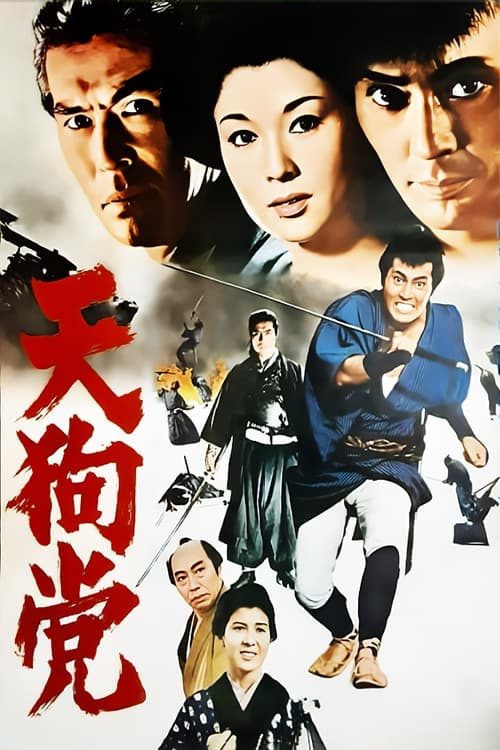
Blood End
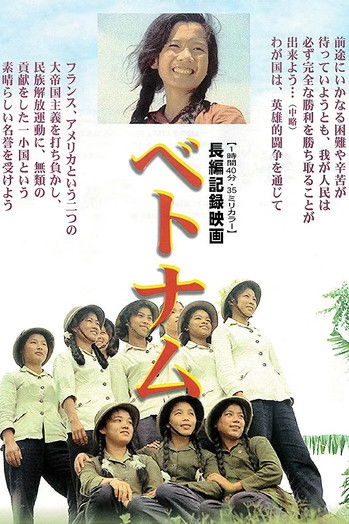
Vietnam

The Bride from Hades
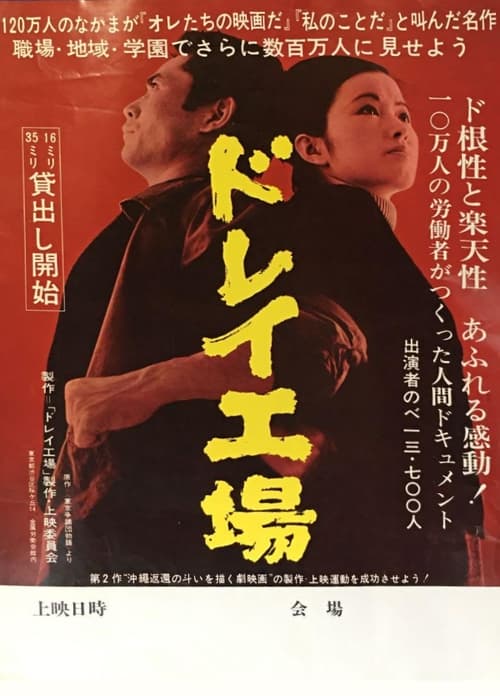
Slave Factory
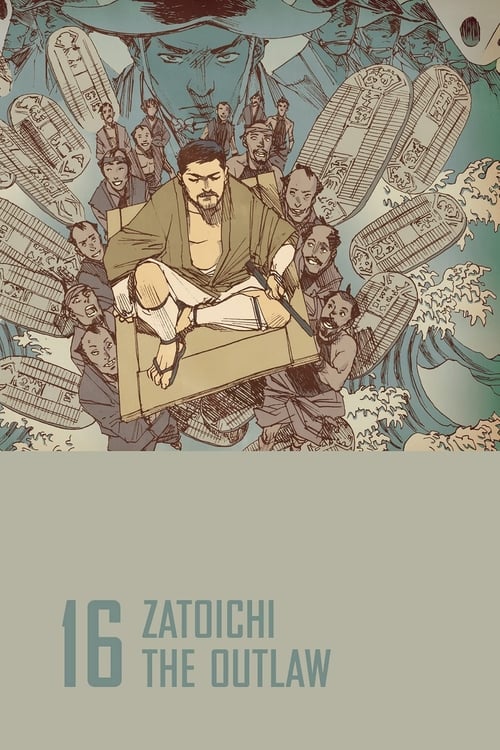
Zatoichi the Outlaw
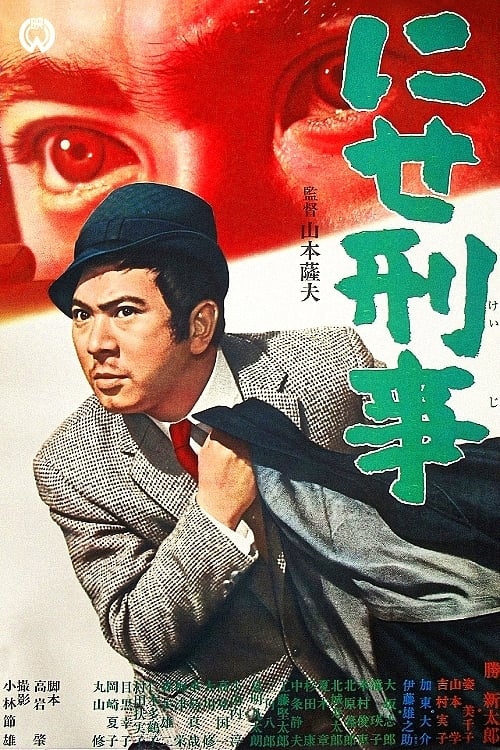
The Bogus Policeman
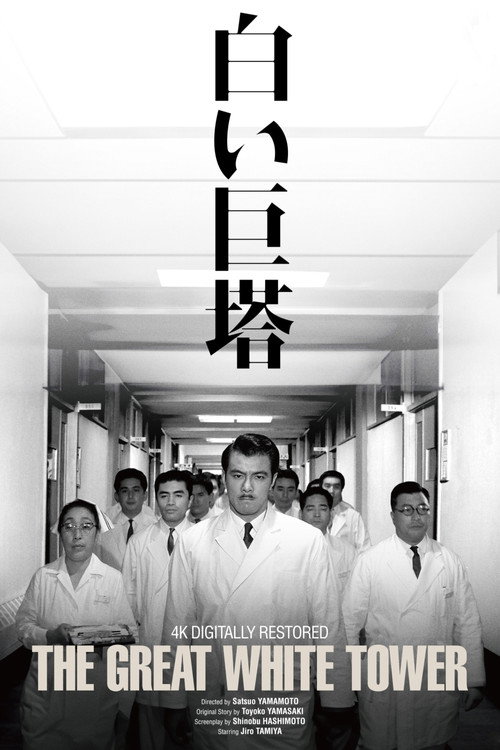
The Great White Tower
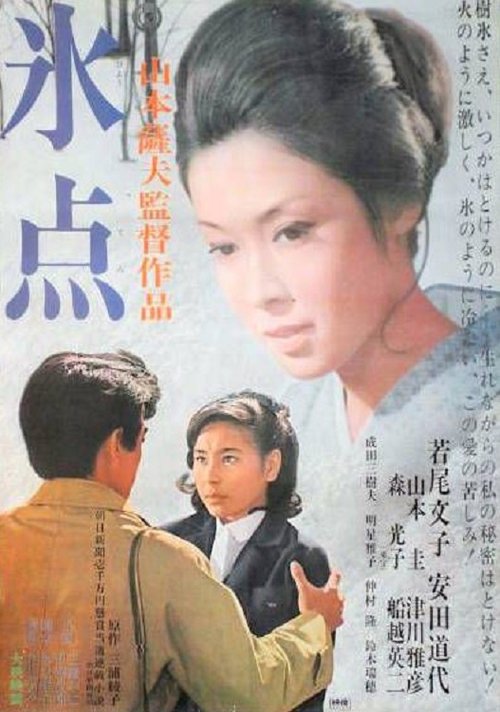
Freezing Point
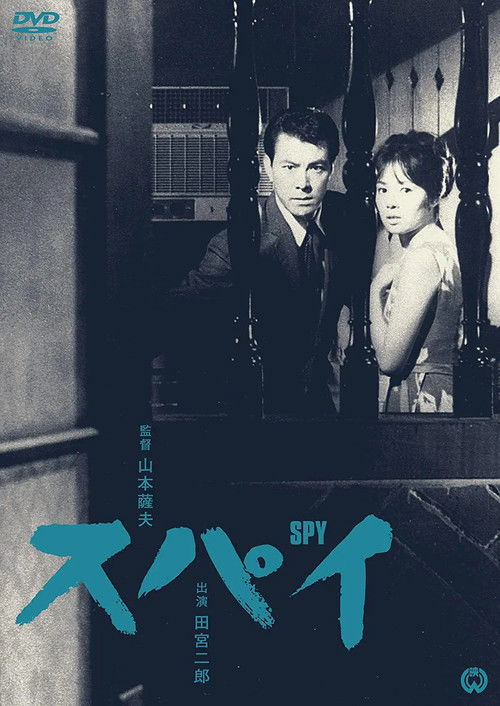
The Spy
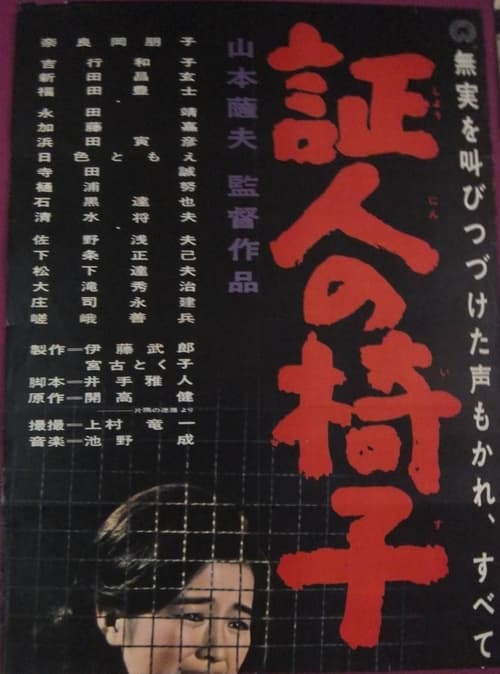
The Witness' Chair
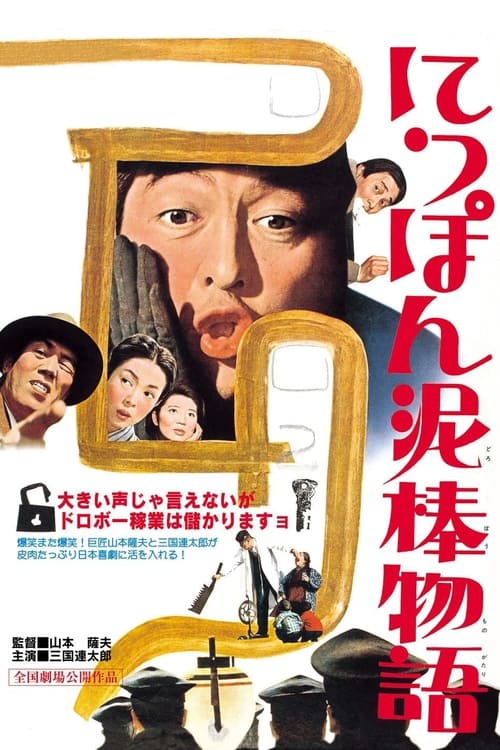
Tale of Japanese Burglars